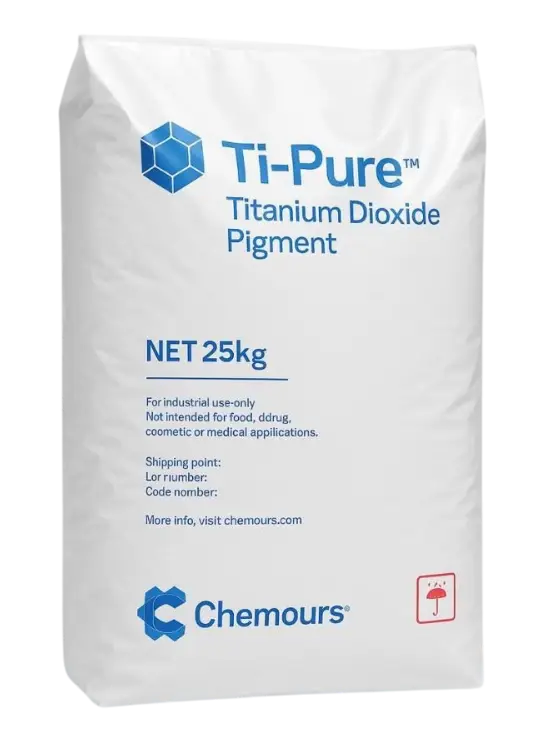

Introduction: The Shifting Landscape of Titanium Dioxide Pricing
Titanium Dioxide (TiO₂) is the backbone of the coatings, plastics, and paper industries. As the most widely used white pigment in the world, it plays a vital role in ensuring brightness, opacity, and durability across thousands of products.
However, as we enter 2025, the Titanium Dioxide market in India faces a dynamic shift influenced by global supply chains, energy costs, raw material pricing, and sustainability demands. For manufacturers, staying updated on these price trends is not just about cost management—it’s about maintaining competitiveness and quality in an evolving industrial landscape.
As a trusted Titanium Dioxide Distributor in India, Aanya Enterprise shares its expert perspective on how pricing is expected to evolve in 2025 and what Indian manufacturers can do to secure consistent supply, control costs, and optimize formulations.
Titanium Dioxide Market Overview in 2025
Globally, the demand for Titanium Dioxide continues to rise, driven by recovery in construction, automotive, and packaging sectors. In India, the market demand has shown consistent growth of 6–8% annually, fueled by rapid infrastructure development and the expanding paint and plastic industries.
But with rising energy costs, stricter environmental regulations in China (a major TiO₂ producer), and fluctuating freight prices, Titanium Dioxide prices have become increasingly volatile.
In 2025, industry experts forecast a mild upward trend in prices, especially in the first half of the year, before stabilizing later as new production capacities come online.
Global Supply Chain Factors Affecting Prices
Several global dynamics influence the cost structure of Titanium Dioxide:
a. Energy and Feedstock Costs
TiO₂ production is energy-intensive. Rising electricity and natural gas costs, particularly in Asia and Europe, have a direct impact on pigment pricing.
b. Chinese Market Regulations
China remains the largest producer of TiO₂, but its push for eco-friendly production methods has forced many plants to upgrade equipment or reduce output, tightening global supply and keeping prices elevated.
c. Freight and Logistics Challenges
While freight rates stabilized post-2023, certain routes remain costly due to port congestion and shipping disruptions. This especially impacts Indian importers relying on Chinese and European supplies.
d. Currency Exchange Volatility
The Indian Rupee’s fluctuations against the USD and RMB also affect landed prices of Titanium Dioxide, especially for bulk importers.
Price Range Outlook for Titanium Dioxide in 2025
Based on current market data and distributor insights, Titanium Dioxide prices in India for 2025 are projected to remain within these approximate ranges (for reference only):
- Rutile Grade Titanium Dioxide: ₹310–₹360 per kg
- Anatase Grade Titanium Dioxide: ₹240–₹290 per kg
Prices may vary based on purity, surface treatment, and brand (e.g., Tronox, Lomon Billions, Venator, or Indian manufacturers).
The first two quarters of 2025 may witness minor upward corrections due to high demand and limited supply, followed by relative stabilization in Q3–Q4 as import volumes increase and domestic production ramps up.
Demand Drivers in the Indian Market
1. Paints & Coatings Industry
The Indian decorative paint market is expanding at 10–12% CAGR, fueled by housing, infrastructure, and industrial coatings. TiO₂ demand from this sector remains the strongest, accounting for nearly 55% of total consumption.
2. Plastic and Polymer Applications
With growing demand for packaging materials, PVC pipes, and consumer goods, the plastic segment continues to consume high-quality Rutile Titanium Dioxide for UV protection and opacity.
3. Paper and Printing Industry
The paper coating and ink sectors are rebounding with e-commerce packaging demand, preferring Anatase TiO₂ for brightness and gloss.
4. Cosmetics and Personal Care
India’s cosmetic industry is adopting more TiO₂-based formulations in sunscreens and beauty products, driving smaller but steady demand.
How Raw Material Costs Impact Pricing
Titanium Dioxide is derived from ilmenite and rutile ores, and their mining costs heavily influence the end pigment price.
In 2024, global ilmenite prices increased by nearly 15% due to energy and transportation issues. This has carried forward into early 2025, causing pigment producers to adjust their pricing strategies.
In addition, chloride-route TiO₂ (mainly used in Rutile grades) faces higher production costs due to stricter emission controls and higher chlorine prices. This has made sulphate-route Anatase TiO₂ more economical for cost-sensitive industries in India.
Distributor Insights: Strategies to Manage Price Fluctuations
As a seasoned Titanium Dioxide Distributor in India, Aanya Enterprise recommends manufacturers adopt the following strategies to handle price volatility efficiently:
1. Long-Term Procurement Contracts
Secure supply agreements with reliable distributors to lock in prices for at least 3–6 months. This shields manufacturers from sudden market fluctuations.
2. Optimize Grade Selection
For non-critical applications, consider switching from Rutile to Anatase grade TiO₂ where feasible. This can save costs without sacrificing essential quality.
3. Blend Local and Imported Grades
Mixing Indian-made Titanium Dioxide with imported high-performance grades can reduce cost per ton while maintaining desired brightness and opacity.
4. Focus on High Dispersion Efficiency
Using TiO₂ grades with better dispersion and hiding power allows lower pigment loading per batch, ultimately reducing total consumption.
5. Choose a Technical Distributor Partner
Work with a distributor that offers not just supply but also technical formulation support—helping you optimize pigment use, improve brightness, and reduce waste.
Emerging Trends Shaping Titanium Dioxide Prices in 2025
a. Sustainability and Eco-Friendly Production
Green production methods, recycling of TiO₂ from waste, and low-VOC coatings are gaining traction. These sustainable processes come at a higher cost initially but are likely to stabilize prices long-term.
b. Nanotechnology and Functional TiO₂
Manufacturers are developing nano-scale TiO₂ for use in solar cells, photocatalytic coatings, and cosmetics. These advanced grades carry premium pricing but promise superior performance.
c. Domestic Manufacturing Boost
India’s push toward “Make in India” initiatives in chemical production may improve local supply in the coming years, reducing dependency on imports and stabilizing prices post-2025.
d. Shift in Consumer Preferences
The growing preference for eco-safe and lead-free paints is expected to sustain Titanium Dioxide demand, especially in decorative and industrial coatings.
Case Studies: Practical Distributor Support in Price Management
Case Study 1 – Paint Manufacturer in Gujarat
A medium-scale paint company faced sharp price fluctuations in imported Rutile TiO₂. By partnering with Aanya Enterprise, they adopted a mixed sourcing model—combining premium imported TiO₂ with cost-effective Indian Anatase grades—reducing pigment costs by 18% annually without compromising opacity.
Case Study 2 – Plastic Film Producer in Maharashtra
A plastic film manufacturer struggled with high UV degradation rates. Aanya Enterprise recommended a coated Rutile grade with superior weather resistance, helping extend film lifespan by 25% and reduce overall rework costs.
Case Study 3 – Paper Coating Unit in Tamil Nadu
Switching to a brighter Anatase TiO₂ recommended by Aanya Enterprise helped a paper manufacturer achieve higher gloss levels with 10% less pigment loading—resulting in significant annual savings.
Role of Aanya Enterprise: Trusted Titanium Dioxide Distributor in India
For Indian manufacturers, choosing the right Titanium Dioxide distributor is as important as choosing the pigment itself.
Aanya Enterprise stands out with:
- Access to multiple global brands (Lomon Billions, Venator, Tronox, and more).
- Both Rutile and Anatase grades for diverse industries.
- Nationwide distribution network ensuring quick, reliable deliveries.
- Technical guidance for optimizing pigment loading and performance.
- Competitive pricing models to help clients remain profitable amid market changes.
With deep market understanding and long-term supplier partnerships, Aanya Enterprise supports clients in managing both price and quality challenges effectively.
Future Outlook: What to Expect Beyond 2025
The global Titanium Dioxide industry is expected to grow steadily as urbanization, housing, and infrastructure projects expand. However, price fluctuations may persist due to raw material dependency and energy costs.
Indian manufacturers can expect:
- Moderate price increases of 3–6% through mid-2025.
- Better price stability by late 2025 as new TiO₂ plants become operational.
- Rising focus on green coatings, where TiO₂ will continue to play a central role.
Those who align with experienced distributors and adopt flexible sourcing strategies will be best positioned to thrive in this evolving market.
Conclusion: Smart Sourcing for a Sustainable Future
In 2025, Titanium Dioxide remains an irreplaceable material for the coatings, plastics, and paper industries. But as market forces shift, price management requires proactive planning, technical insight, and strong distributor relationships.
Aanya Enterprise, as a leading Titanium Dioxide Distributor in India, empowers manufacturers with the right product mix, cost optimization strategies, and continuous market updates—ensuring consistent performance even in uncertain market conditions.
By blending global sourcing expertise with local industry understanding, Aanya Enterprise continues to help Indian manufacturers stay competitive, innovative, and future-ready.